Curtis Mill, Gloucestershire
Residential
The first project dates from 1975 when the almost roofless ruin of the mill was converted to a dwelling.
In 1990 this was extended by building onto the end where there had once been the miller’s house.


 marshallandkendon.co.uk
The first project dates from 1975 when the almost roofless ruin of the mill was converted to a dwelling.
In 1990 this was extended by building onto the end where there had once been the miller’s house.
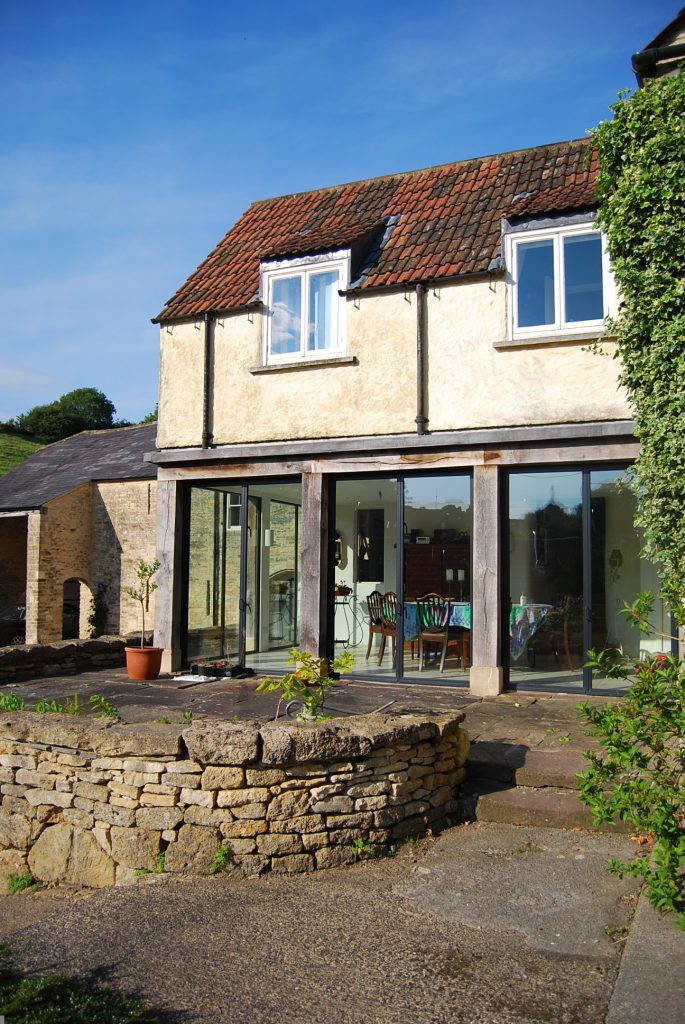
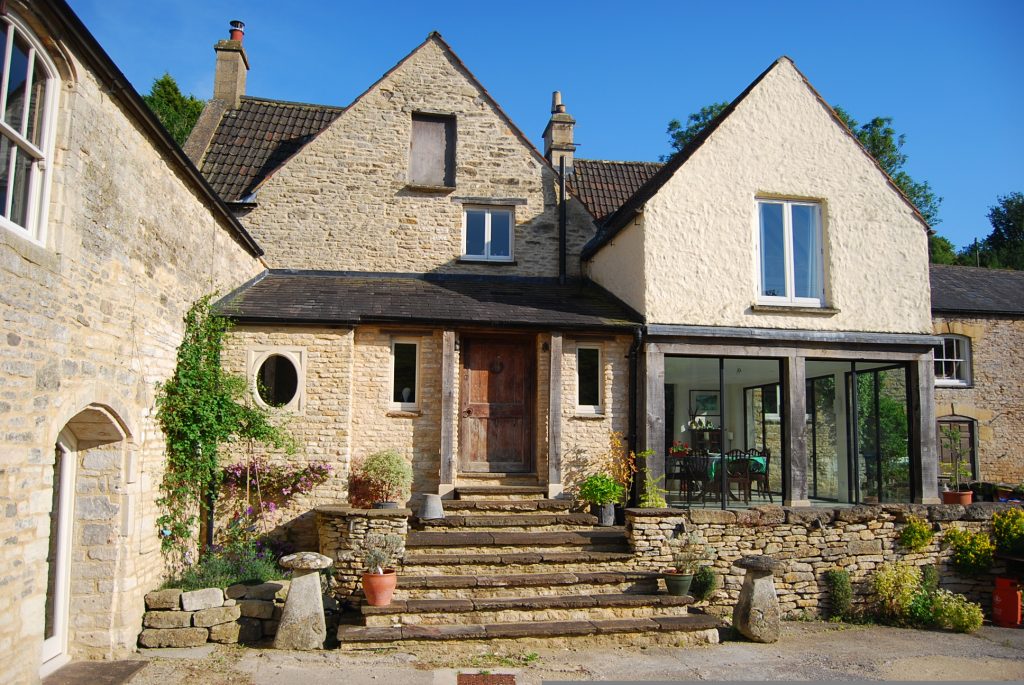
The Listed farmhouse dates from the 17th century and still has many qualities that are original, including a suicidal bifurcating staircase.
An addition was planned which gave a room with much needed space and light, together with a bedroom over and a stair to by-pass the original one.
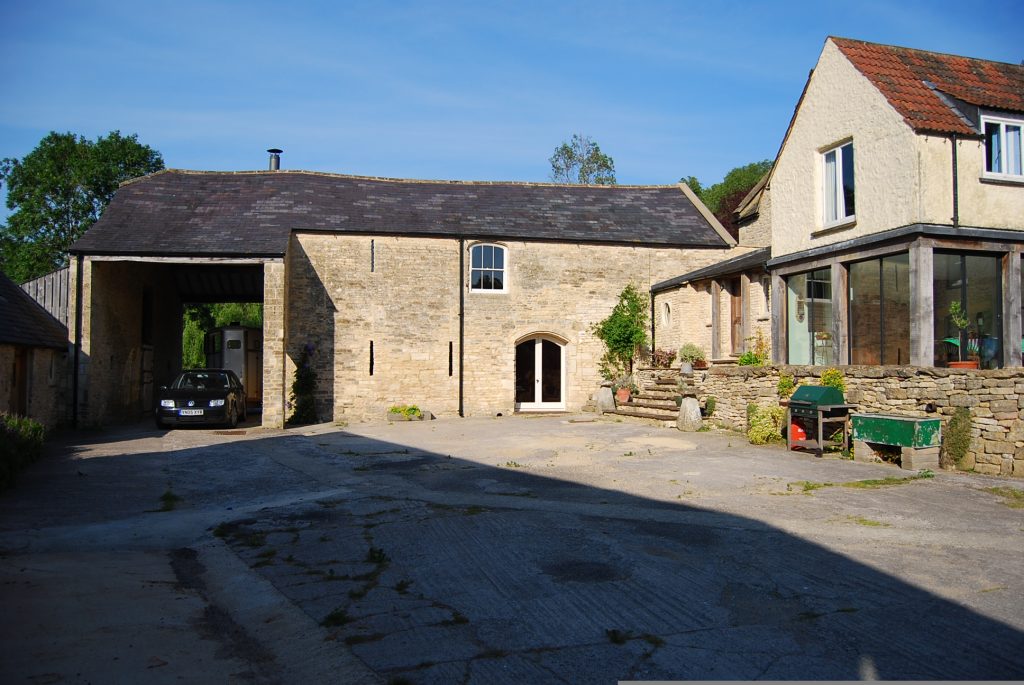
This is a substantial new house using typical local materials and massing set on several levels on a steep south facing hillside above the Stroud Valley.
The site consists of several existing garden terraces with rubble retaining walls into which the new levels and walls of the new house are integrated.
The terraces of the garden and the lower levels of the house are connected by ramps and a lift for the owner’s wheelchair.


The site is a former oil depot located on the south side of Brockweir in the Wye Valley. The proposal is for 14 houses (of which 4 are affordable) arranged around a substantial stream which currently crosses the site in a concrete culvert. The oil depot buildings have been demolished and the first phase of the masterplan in the form of one large free-standing house at the entrance to the site has been sold. The remainder of the site, including the old stone built mill, is under consideration for Planning Permission.
The village is characterized by densely packed whitewashed rubble buildings with steep pantile roofs, the latter historically brought across the Severn and up the Wye by ship. There have been quite numerous unfortunate additions, mainly bungalows on heavily road-engineered sites nearby.
The proposal uses typical local materials, forms and layout with vehicular and pedestrian access sharing a gravel drive. The reinstated stream has considerable potential both as part of the landscape and as a source of power through water source heat pumps.


Adjacent to Egypt Mill and The Railway Hotel (see elsewhere) is what used to be a railway shunting yard.
The site sits alongside a river and is now enclosed by very mature trees; a development of 12 apartments was started but then halted by the recession.


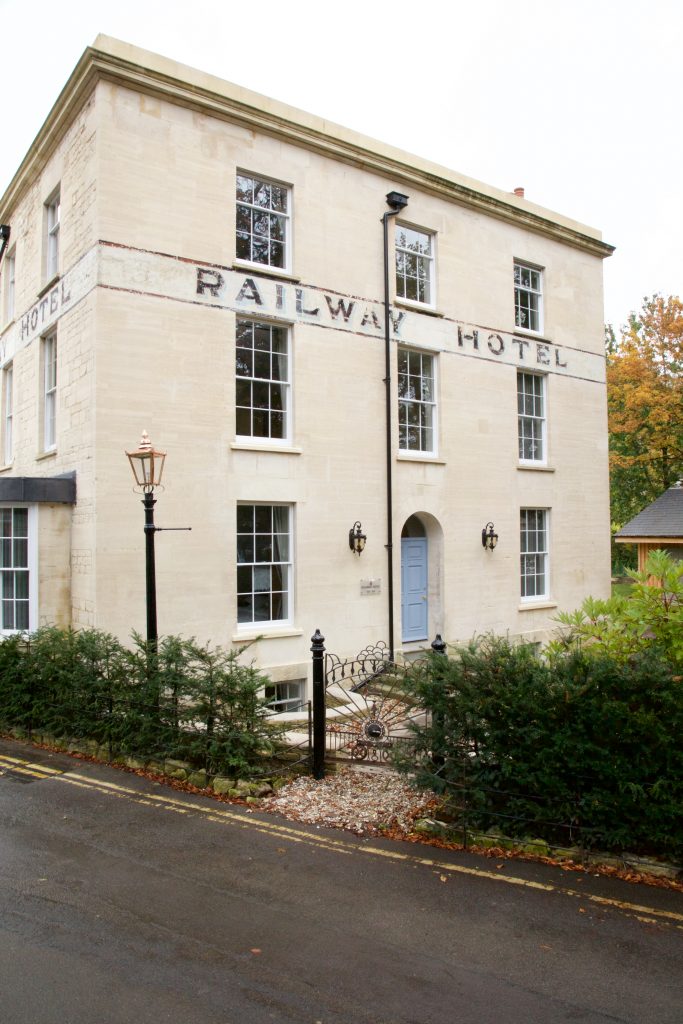
The Grade II listed Railway Hotel predates the railway which was built in 1867 and although much altered internally and with a clumsy stair tower added to the rear in the 1970’s, it retains two fine stone elevations.
Marshall & Kendon applied for and obtained Planning and Listed Building Consent to bring the existing basement into use and to convert the upper floors into flats.
The rear extension was refurbished and replaced with a new one and the existing building shell.
Was thoroughly repaired, its stone parapets and chimney stacks reinstated and a new “hanging” stone stair installed in the old (vacant) stairwell.
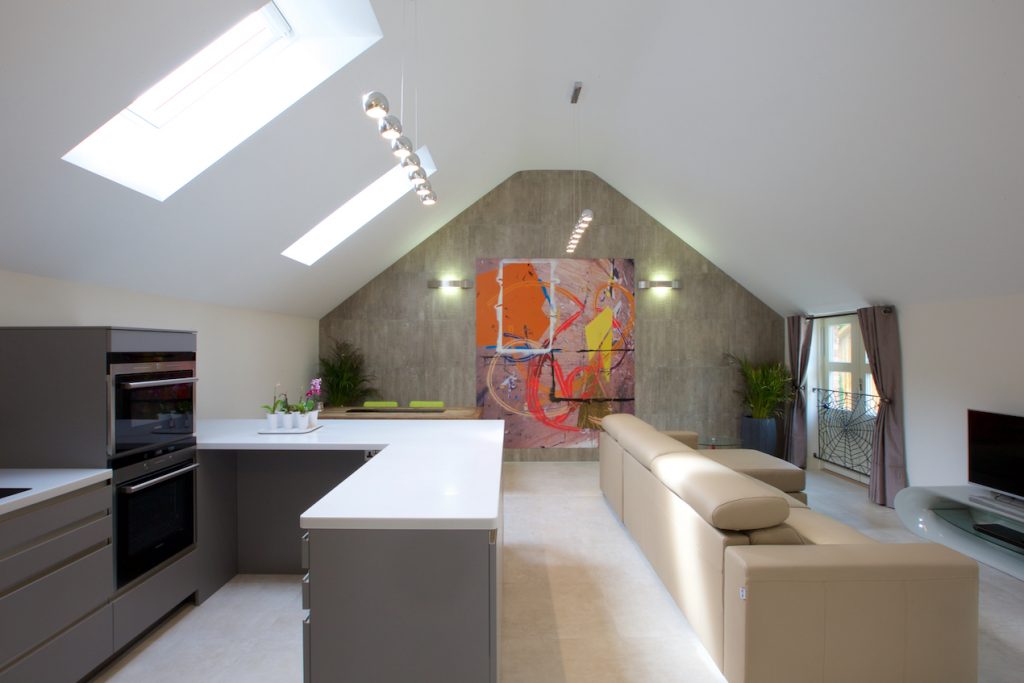
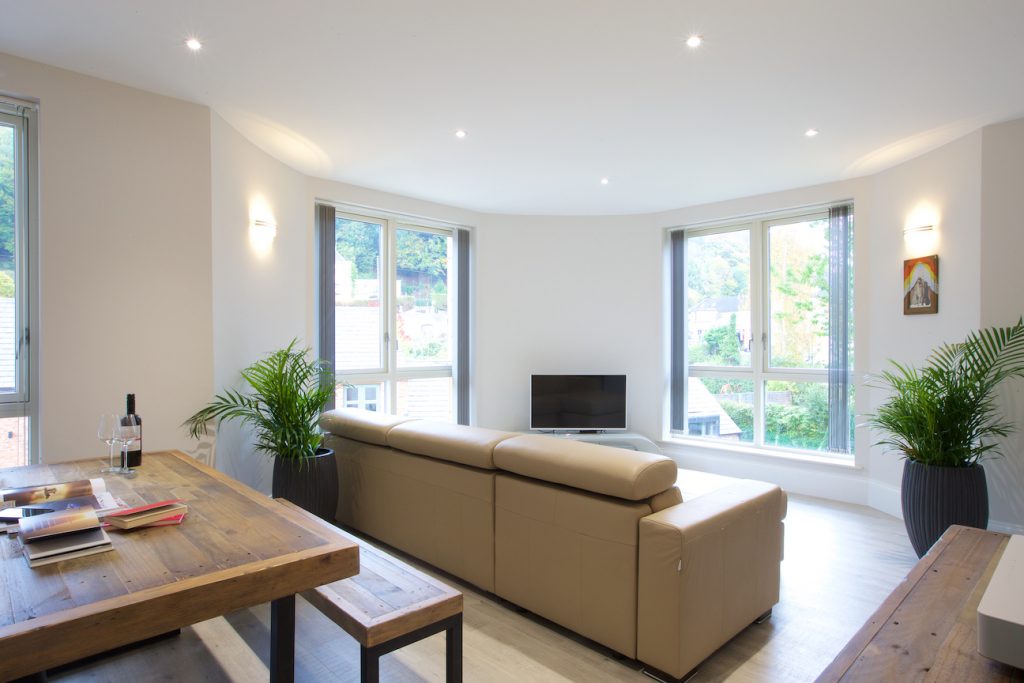
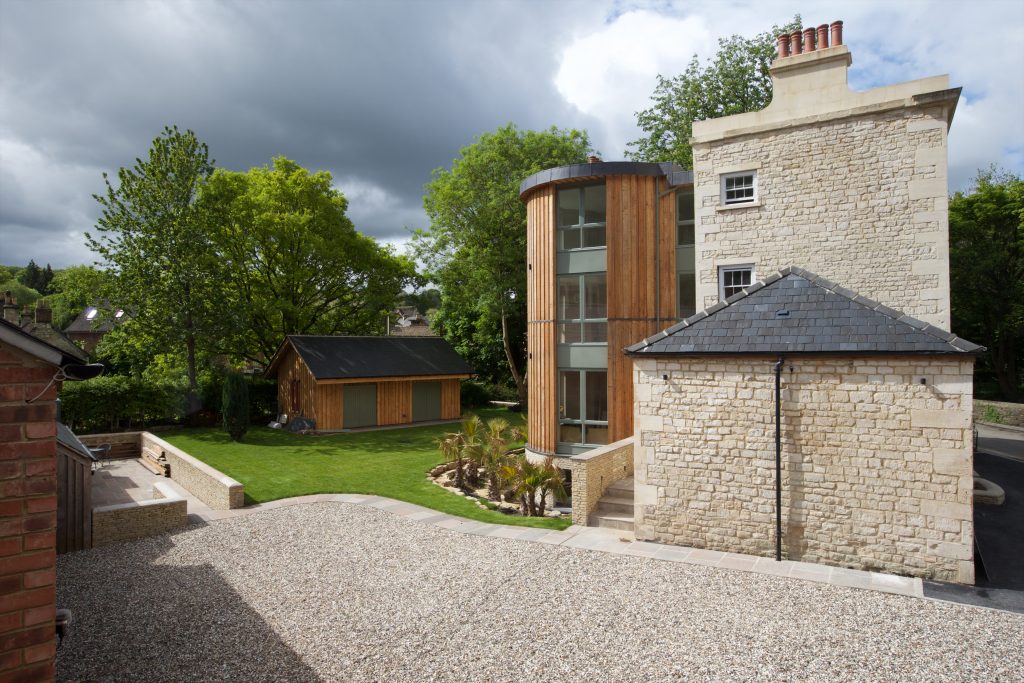
Four floors provide two marionettes and two flats. To the rear, a new “curtilage building” provides two further apartments and covered parking. In the landscaped communal garden bordering the river, a timber clad building houses a bio mass boiler providing heating for the whole project.
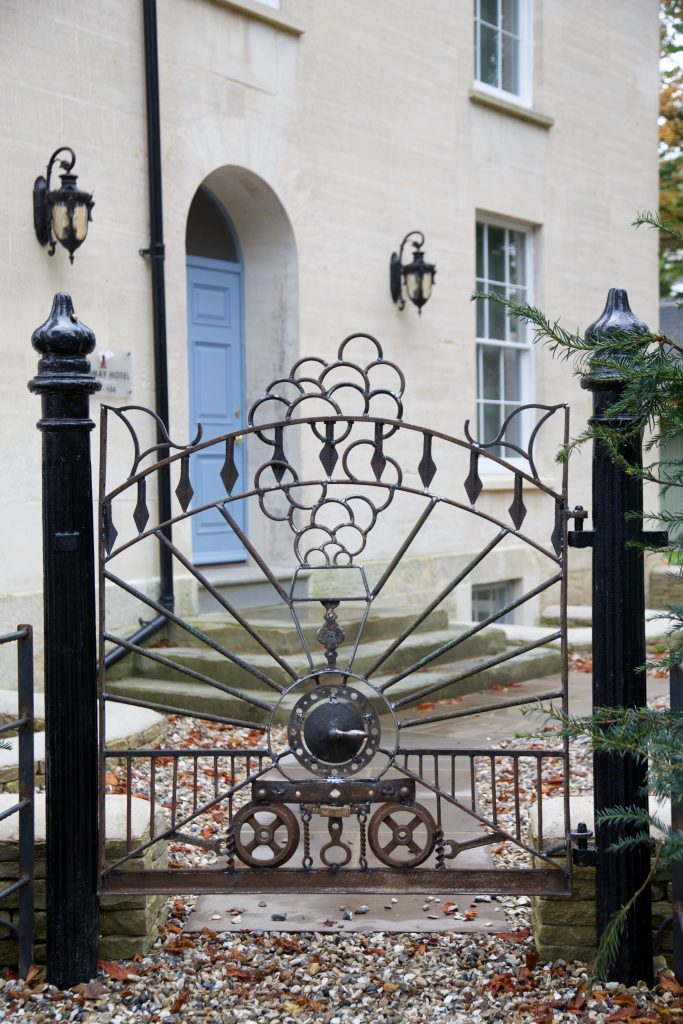

Low Wood is a large Grade II listed house of 1910 in a predominantly Edwardian area of Harborne. Designed by the Arts and Crafts architect E F Reynolds, it has fine well-preserved interiors and a matching circular observatory in the garden. The garden, now substantially reduced in extent with 1990s houses built on the rest, is uninspiring and a unworthy setting for the house.
A series of garden works includes new gates, a new paved terrace, garden steps, sunken pool, a rill and pergola set within the existing levels and form of the garden and its mature trees.
The first phase of the garden works comprising of a stone terrace, planters and a pool is now complete Bricks from Furness and stone from Rand and Asquith closely match the existing house and with the planting maturing, the new works provide a more worthy step from house to garden. It is to be hoped that the restoration of the observatory can begin before the weather causes more serious damage to the fabric.


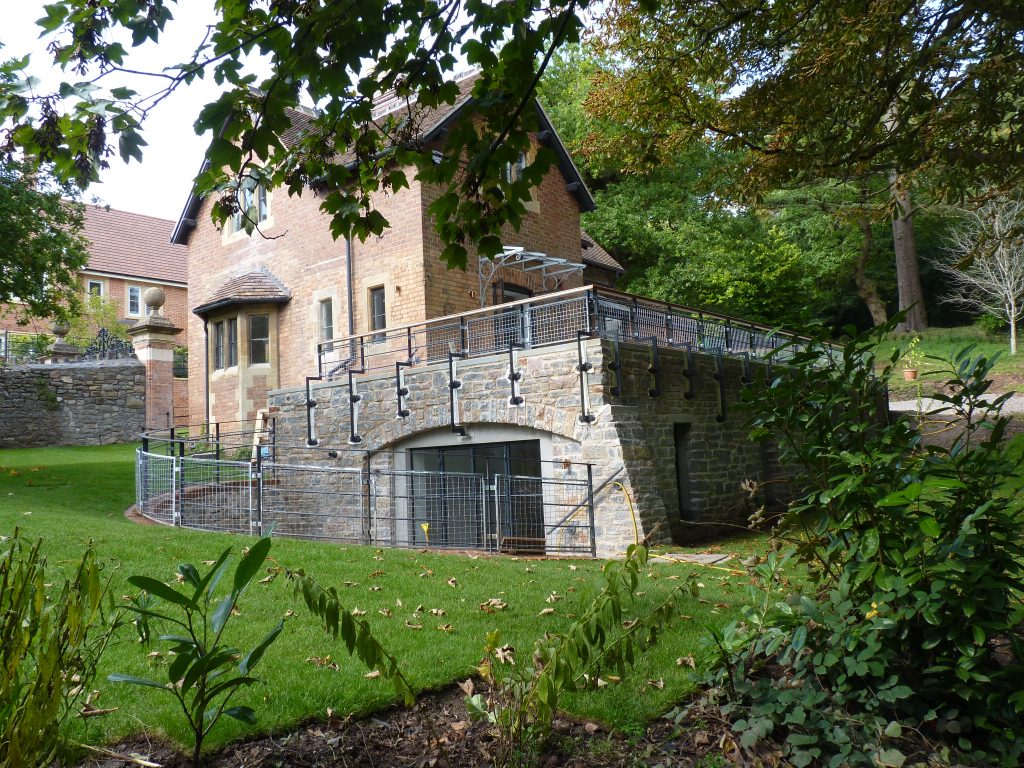
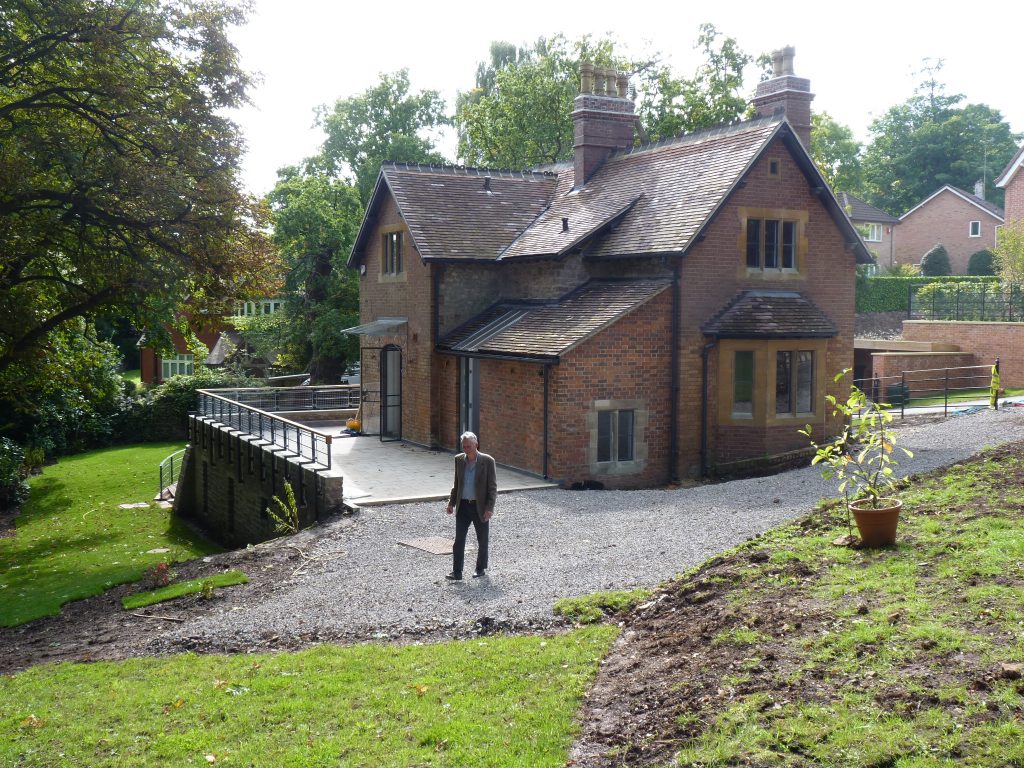
Burwalls Lodge stands at the south edge of the gardens of Grade II listed Burwalls House, a Victorian red brick Jacobethan mansion built in 1872 at the west end of Clifton Suspension Bridge. The house itself is being converted to flats and the stable buildings adapted and joined by a clutch of large new “executive houses” in a gated community which also includes the distinctive but delightful Lodge.
Consent has been granted to restore and enlarge the Lodge, the major addition being a semi- subterranean extension built under the existing house and into the hillside and forming a new outdoor terrace overlooking the garden and the woodlands falling down to the Avon gorge.
Work is due to start shortly.